
Foundation Repair in New Jersey & Eastern Pennsylvania
Down Under Waterproofing provides foundation repair for bowed basement walls, foundation cracks, structural movement, basement floor leaks, underpinning-related stabilization needs, French drain issues, and retaining wall reinforcement throughout New Jersey and Eastern Pennsylvania.
Since 2006, we have helped homeowners diagnose the real cause of foundation distress so repairs are based on structural conditions, moisture patterns, groundwater pressure, and drainage performance — not just the visible crack or leak.
Based in Robbinsville, NJ, Down Under Waterproofing is a service-area foundation repair contractor serving homeowners directly at their properties throughout Central New Jersey, the Jersey Shore region, North and Central New Jersey counties, and Eastern Pennsylvania. We do not operate a public storefront or showroom.
Foundation Repair Starts With the Right Diagnosis
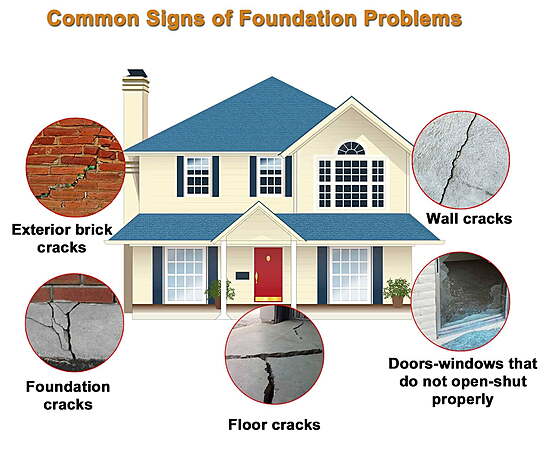
Foundation repair should begin with the cause: pressure, movement, drainage, water entry, settlement, or structural stress.
Foundation problems do not all come from the same source. A horizontal crack in a block wall is not the same problem as a diagonal crack in poured concrete. A leaking floor seam is not the same issue as a bowed wall or settlement-related movement. The best repair plan starts by understanding exactly what type of pressure, movement, or moisture condition is affecting the home.
At Down Under Waterproofing, we look at the visible signs and the conditions behind them: wall shape, crack pattern, moisture entry, drainage paths, grading, soil pressure, and structural symptoms elsewhere in the home. That helps us determine whether the property needs reinforcement, waterproofing, drainage correction, underpinning, or a combination of those solutions.
What we evaluate during a foundation inspection
- Wall type, crack type, and whether the movement appears active
- Signs of hydrostatic pressure around the foundation
- Drainage conditions outside the home
- Moisture entry through walls, floors, or the cove joint
- Settlement signs inside the structure
- Whether the issue is isolated or part of a broader water-management problem
Why Foundation Problems Develop in NJ & Eastern PA Homes
Homes across New Jersey and Eastern Pennsylvania deal with a combination of soil movement, seasonal moisture, heavy rain events, freeze-thaw cycles, and groundwater pressure. In some neighborhoods, clay-heavy soils expand when wet and shrink when dry. In others, flat grading or slow drainage keeps water collecting close to the foundation. Older homes may also have masonry or early block foundations that respond differently than newer poured-concrete systems.
These regional conditions matter because they change how pressure builds against basement walls and how water moves around and beneath a home. That is why this page is built around real foundation behavior in this region rather than generic contractor wording. The causes of damage here are often tied to local drainage and moisture conditions, which is also why foundation repair and basement waterproofing are so often connected.
Hydrostatic Pressure
When soil around the home becomes saturated, water pressure builds against basement walls and beneath the slab, creating seepage, cracks, and long-term structural stress.
Expanding & Contracting Soils
Moisture changes in the soil can cause movement around the foundation, contributing to settlement signs, wall stress, and repeated crack patterns.
Drainage & Grading Problems
Improper grading, discharge issues, or poor water control around the home can keep moisture too close to the structure and make foundation damage worse over time.
Why Homeowners Choose Down Under Waterproofing
- Serving New Jersey and Eastern Pennsylvania since 2006
- Foundation repair and waterproofing expertise in one company
- Repairs designed around real soil, moisture, and drainage conditions
- Ram Jack and Rhino Carbon Fiber systems available where appropriate
- Lifetime transferable manufacturer warranties available on qualifying structural systems
- Down Under Waterproofing was selected as one of the Best Foundation Repair Companies in Princeton, NJ for 2025, based on overall quality scores of 95% or higher — View award listing
- Free written estimates with clear, readable recommendations
- NJ License #13VH03267600 | PA License #PA175894
- Open Monday through Saturday, 7:00 AM to 7:00 PM
Trusted by Homeowners Across NJ & Eastern PA
Customer Satisfaction
4.9★ average rating from homeowners across New Jersey and Eastern Pennsylvania.
Our reviews consistently highlight clear communication, honest recommendations, and long-term solutions for foundation and waterproofing problems.
Real Project Experience
Since 2006, we have completed foundation repair and waterproofing projects across a wide range of soil conditions, foundation types, and structural challenges.
Local Knowledge
Our work is based on real conditions in NJ and Eastern PA — including drainage issues, hydrostatic pressure, and seasonal moisture changes that affect homes in this region.
Bowed Basement Wall Repair
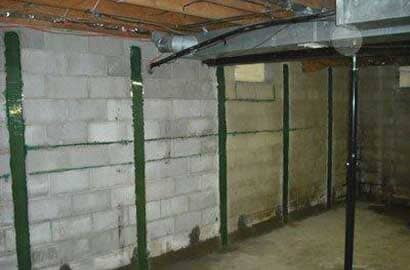
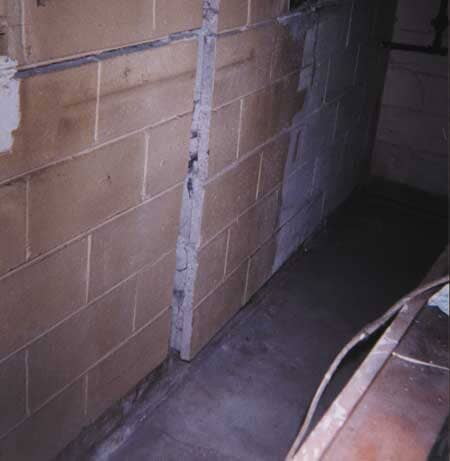
Bowed basement walls are a strong sign that a wall is under too much lateral pressure. When outside soils hold water and become heavy, they push inward against the wall. Over time, that force can cause bulging, bending, cracking, and loss of structural stability.
Common warning signs of a bowed wall
- Horizontal cracking across the wall
- Visible inward bending or bulging
- Water seepage through joints or cracks
- A wall that no longer appears straight
Problem • Cause • Solution
Problem: The basement wall is pushing inward.
Cause: Saturated soils, hydrostatic pressure, poor drainage, or long-term wall stress.
Solution: Wall stabilization, reinforcement, and when needed, drainage correction to reduce the pressure creating the damage.
In some cases, structural reinforcement systems such as Rhino Carbon Fiber straps may be appropriate depending on the wall condition, crack pattern, and degree of movement.
Recent Bowed Wall Repair Project – Philadelphia Area
We recently completed a bowed wall reinforcement project in the Philadelphia area using star bolt stabilization. The wall showed clear inward movement and horizontal cracking caused by sustained soil pressure and moisture buildup behind the foundation.
After evaluating the structure and pressure conditions, we installed a reinforcement system designed to stabilize the wall and help prevent further movement while addressing the conditions contributing to the problem.
This kind of real-world project reinforces why bowed wall repair should be based on structural evaluation and long-term stabilization — not just a cosmetic surface fix.

Block Foundation Wall Crack Repair
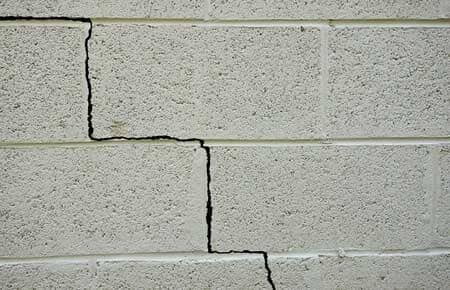
Concrete block foundation walls can crack from settlement, moisture-related movement, soil pressure, and drainage problems around the home. Not every crack means the same thing, which is why pattern and location matter.
Cracks that deserve prompt attention
- Horizontal cracks along the wall
- Stair-step cracks through block or mortar joints
- Cracks that widen over time
- Cracks with active seepage or staining
The right repair depends on whether the wall is moving, whether water pressure is contributing to the damage, and whether reinforcement is needed to protect the structure long-term.
Poured Concrete Foundation Crack Repair
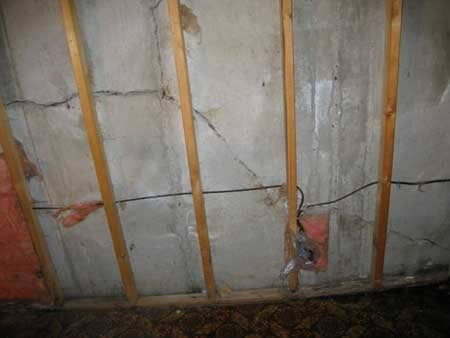
Poured concrete foundations can develop vertical, diagonal, and widening cracks from settlement, shrinkage, hydrostatic pressure, or uneven movement in surrounding soils. Some are minor. Others indicate active water entry or structural concern.
Warning signs to watch for
- Diagonal cracks near wall corners
- Cracks with repeated water seepage
- Visible widening or displacement
- Cracks paired with sloping floors or sticking doors
In many homes, surface sealing alone is not enough. The source of movement or pressure behind the crack also needs to be addressed to prevent the same issue from returning.
Foundation Movement & Settlement Problems
Foundation movement often shows up in more places than the basement itself. Uneven floors, drywall cracks, sticking doors, window misalignment, and repeated crack patterns may all point to settlement or differential movement in the structure.
Signs your home may be shifting
- Interior cracks above doors and windows
- Doors or windows that no longer operate properly
- Uneven or sloping floors
- Recurring foundation cracks in the same areas
Movement should always be evaluated with the full picture in mind: soil type, grading, drainage, groundwater, and wall pressure all affect what kind of repair approach makes the most sense.
Foundation Underpinning & Structural Reinforcement Systems
Some foundation problems require more than surface repair or drainage correction. When a structure is experiencing settlement, uneven support, or ongoing structural movement, deeper stabilization systems may be needed to help restore and protect the foundation long-term.
Down Under Waterproofing installs proven structural solutions, including systems from Ram Jack and Rhino Carbon Fiber, depending on the type of foundation problem and the conditions affecting the home. Many qualifying systems include a lifetime transferable manufacturer’s warranty, which adds long-term confidence for current and future homeowners.
When underpinning or structural reinforcement may be needed
- Foundation settlement or uneven support
- Recurring structural cracks tied to movement
- Bowed or stressed basement walls
- Homes affected by shifting or unstable soil conditions
Types of systems we install
- Helical and steel pier systems from Ram Jack used to help stabilize and support foundations affected by settlement
- Carbon fiber wall reinforcement from Rhino Carbon Fiber used to strengthen and stabilize bowed or cracked foundation walls
These systems are selected only after the foundation condition, movement pattern, drainage conditions, and repair goals are evaluated.
Basement Floor Leaks & Foundation Drainage Problems

Water coming through basement floors, slab cracks, or the wall-floor joint is often tied to pressure beneath or around the foundation. These leaks may seem like a waterproofing issue only, but they can also indicate a larger drainage or foundation water-management problem.
Common signs of foundation-related floor leaks
- Water entering where the wall meets the floor
- Seepage through floor cracks
- Recurring dampness after heavy rain
- Efflorescence, staining, or damp concrete near cracks or joints
Depending on the source of water, the solution may involve basement waterproofing, sump pump upgrades, drainage correction, foundation crack repair, or a combination of systems.
French Drains & Foundation Water Management
French drains and interior drainage systems help manage water before it builds pressure against the foundation or beneath the basement slab. When water has nowhere to go, pressure can increase around the walls and floor, creating seepage, cracks, dampness, and repeated basement water problems.
A French drain may be part of a broader foundation repair plan when water pressure is contributing to cracks, floor leaks, or wall stress. In many homes, waterproofing and structural repair work together because reducing pressure helps protect the foundation after repairs are completed.
Homeowners comparing drainage options can also review our guide on French drains vs. sump pumps.
Retaining Wall Reinforcement & Drainage Support
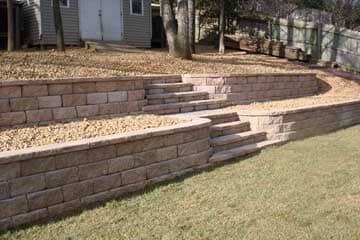
Retaining walls can show many of the same warning signs as foundation walls: cracking, movement, leaning, bowing, drainage staining, and pressure buildup behind the wall. When soil and water pressure are not managed correctly, retaining walls may continue to move or deteriorate.
Down Under Waterproofing evaluates retaining wall movement, drainage, grading, and structural stress to determine whether reinforcement, drainage correction, repair, or replacement planning is appropriate.
Related Waterproofing & Structural Services
Basement Waterproofing
Foundation movement and basement water often happen together. Waterproofing can help manage pressure and reduce repeat seepage.
Explore Basement Waterproofing →Crawl Space Encapsulation
Crawl space moisture can contribute to wood rot, sagging floors, odors, and structural concerns.
Explore Crawl Space Encapsulation →Construction Restoration
When water or movement damages framing, joists, sill plates, or supports, restoration may be needed alongside foundation repair.
Explore Construction Restoration →Foundation Repair Service Areas
Down Under Waterproofing provides foundation repair, bowed wall repair, crack repair, structural reinforcement, drainage correction, and related waterproofing services throughout New Jersey and Eastern Pennsylvania, with a strong focus on Mercer County, Central New Jersey, the Jersey Shore region, and nearby Pennsylvania communities.
Robbinsville NJ | Hamilton Township NJ | Lawrenceville NJ | Pennington NJ | Princeton NJ | Freehold NJ | Bridgewater NJ | Yardley PA | Langhorne PA
Mercer County NJ | Monmouth County NJ | Middlesex County NJ | Somerset County NJ | Hunterdon County NJ | Morris County NJ | Ocean County NJ | Bucks County PA | Montgomery County PA
Helpful Resources for Homeowners Researching Foundation Problems
10 Common Signs Your Home Needs Foundation Repair
Understand the warning signs homeowners should not ignore when cracks, settlement, or movement begin showing up.
Review the Warning Signs Checklist →Bowing Brick Wall Repair
Learn more about wall pressure, structural concerns, and how bowing wall conditions can progress over time.
Read More About Structural Issues →Ultimate Guide to Basement Waterproofing
See how waterproofing and drainage control support a drier basement and better long-term foundation performance.
Read the Ultimate Waterproofing Guide →Why Spring Is the Most Dangerous Season for NJ and PA Basements
Explore how seasonal groundwater, rain, and soil conditions increase pressure on foundations and basements in the region.
See Why Spring Causes Basement Problems →Frequently Asked Questions — Foundation Repair
Schedule Your Foundation Repair Evaluation
If your home has bowed walls, foundation cracks, basement seepage, floor leaks, settlement signs, or other structural concerns, now is the right time to have it evaluated. Down Under Waterproofing provides free estimates for homeowners throughout New Jersey and Eastern Pennsylvania.
Licensed & Insured | NJ #13VH03267600 | PA #PA175894 | Monday through Saturday, 7:00 AM to 7:00 PM