
Crawl space encapsulation is one of the most effective ways to help control moisture beneath a home, but it is often misunderstood. For New Jersey homeowners, the real question is not just what encapsulation is — it is whether the crawl space has the moisture conditions that make encapsulation worth considering.
Down Under Waterproofing helps homeowners throughout New Jersey and Eastern Pennsylvania evaluate damp crawl spaces, musty odors, exposed soil, standing water, falling insulation, humidity, drainage problems, and long-term moisture concerns. This guide explains what crawl space encapsulation does, when it makes sense, and why a proper inspection matters before choosing a system.
Down Under Waterproofing is based in Robbinsville, NJ and operates as a service-area contractor. We travel directly to customers for inspections, estimates, and project work. We do not operate a public storefront or showroom.
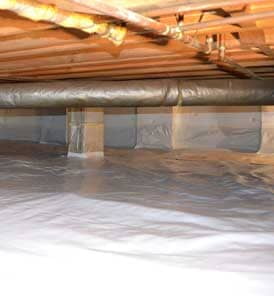
A properly designed crawl space encapsulation system helps separate the home from ground moisture, humidity, and damp crawl space conditions.
What Is Crawl Space Encapsulation?
Crawl space encapsulation is the process of sealing and isolating the crawl space from ground moisture, outside air, and humidity. A complete system may include a heavy-duty vapor barrier, wall liner, sealed seams, sealed piers, drainage improvements, sump pump support, crawl space sealing, and dehumidification when needed.
The goal is to create a cleaner, drier, more controlled space beneath the home. Encapsulation is not simply placing plastic on the floor. A good system is designed around where the moisture is coming from and how the crawl space behaves during wet weather and humid seasons.
Homeowners often begin researching encapsulation after noticing musty odors, damp insulation, visible moisture, standing water, mold concerns, cold floors, pest activity, or wood moisture damage below the home.
Why New Jersey Crawl Spaces Get Damp
Many crawl spaces in New Jersey develop moisture problems because of the way seasonal weather, soil conditions, groundwater, drainage, and older vented crawl space designs interact.
Even when a crawl space does not flood, exposed soil can release moisture vapor into the space. Open vents, unsealed gaps, poor drainage, and humid outdoor air can make the problem worse.
Common contributors include:
- Exposed soil releasing moisture vapor
- Open crawl space vents allowing humid air inside
- Drainage problems around the foundation
- Standing water after heavy rain
- High seasonal humidity
- Poor grading or downspout discharge
- Unsealed crawl space openings
- Old, damaged, or missing vapor barriers
- Sagging or damp insulation
Because air naturally moves upward through a home, crawl space conditions can affect more than the space below the floor. Moisture, odors, and humidity from the crawl space may influence indoor comfort and air quality in the living areas above.
Signs Your Crawl Space May Need Encapsulation
Encapsulation may be worth considering if the crawl space shows signs of ongoing moisture or if the conditions beneath the home are affecting comfort, odors, air quality, or structural materials.
Warning signs include:
- Musty odors inside the home
- Damp or falling insulation
- Visible moisture on crawl space surfaces
- Exposed dirt floors
- Standing water or puddling after rain
- Condensation on pipes, ducts, or framing
- Mold or mildew concerns
- Soft, damp, or rotting wood
- Cold floors or uncomfortable rooms above the crawl space
- High indoor humidity
- Pest activity in or around the crawl space
These signs do not always mean the same solution is needed. Some crawl spaces need vapor control only, while others need drainage, sump pump support, sealing, dehumidification, or related repairs before encapsulation can perform properly.
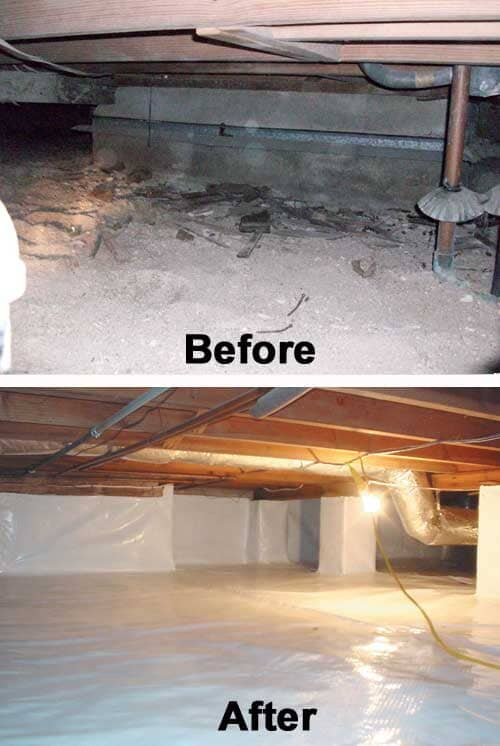
Damp crawl space conditions should be evaluated before choosing a vapor barrier, drainage, sump pump, or full encapsulation system.
Vapor Barrier vs. Full Crawl Space Encapsulation
A vapor barrier is one part of a crawl space encapsulation system. It helps reduce moisture vapor rising from exposed soil. In some homes, a vapor barrier may be enough to improve conditions, but many crawl spaces need more than floor coverage.
Full encapsulation may include:
- Heavy-duty floor vapor barrier
- Wall liner installation
- Sealed seams and penetrations
- Pier wrapping and detailed sealing
- Crawl space vent sealing where appropriate
- Drainage improvements if water is entering
- Sump pump support if water needs to be collected and discharged
- Dehumidification if humidity remains high
The difference matters. Covering the floor without addressing standing water, wall seepage, poor drainage, or high humidity may leave the homeowner with the same underlying moisture problem.
Do You Need Drainage Before Encapsulation?
Sometimes, yes. If the crawl space has standing water, repeated wet soil, puddles after rain, or water entering along foundation walls, drainage may need to be addressed before the space is encapsulated.
Encapsulation is designed to control moisture, but it should not be used to hide an active water problem. When water is collecting below the home, the repair plan may need to include drainage correction, sump pump support, discharge improvements, or related waterproofing work.
A crawl space that has both soil vapor and active water entry usually needs a more complete system than a crawl space with dry soil and only mild humidity.
When Does a Crawl Space Need a Dehumidifier?
A crawl space dehumidifier may be recommended when humidity remains high even after sealing, vapor control, and drainage improvements. Dehumidification can help maintain more stable moisture conditions, especially during humid New Jersey summers.
A dehumidifier is not always the first step. If bulk water is entering or drainage is failing, those issues should be evaluated first. A dehumidifier works best as part of a system that also controls ground moisture and outside air intrusion.
How Crawl Space Moisture Can Affect the Home Above
Crawl space moisture can affect more than the area below the home. Damp conditions beneath the floor system may contribute to musty odors, uncomfortable rooms, high indoor humidity, wood deterioration, insulation problems, and air quality concerns.
Moisture beneath the home can also affect:
- Floor framing
- Subfloors
- Insulation
- HVAC ducts or pipes in the crawl space
- Indoor humidity
- Odors in living areas
- Stored items
- Long-term structural durability
This is why crawl space work should be approached as part of the home’s overall moisture-control system, not just as a cosmetic improvement below the house.
Is Crawl Space Encapsulation Worth It?
Crawl space encapsulation is often worth considering when moisture is creating odors, humidity, insulation damage, mold concerns, wood deterioration, pest activity, or repeated damp conditions below the home.
Encapsulation may help:
- Reduce moisture vapor from exposed soil
- Improve crawl space cleanliness
- Limit musty odors
- Protect wood framing and subfloors
- Support better humidity control
- Protect insulation and mechanical components
- Make the crawl space easier to inspect and maintain
- Support healthier conditions inside the home
The value depends on the condition of the crawl space and whether the system is designed correctly. A properly evaluated and installed system can provide long-term protection. A rushed system that ignores drainage or water entry may not solve the real problem.

A completed crawl space encapsulation system can help create a cleaner, more controlled environment beneath the home.
What to Expect During a Crawl Space Inspection
A crawl space inspection should identify the moisture source before recommending a system. At Down Under Waterproofing, we look at the full crawl space environment and how it connects to the home above.
A crawl space evaluation may include checking:
- Soil moisture and exposed dirt conditions
- Standing water or wet areas
- Foundation walls and entry points
- Vent openings and air leaks
- Insulation condition
- Wood framing and moisture damage
- Sump pump or drainage needs
- Humidity and odor concerns
- Whether related basement waterproofing or foundation repair is needed
After the inspection, the homeowner should understand whether the crawl space needs vapor control, full encapsulation, drainage, sump pump support, dehumidification, or a combination of repairs.
How This Connects to a Real Crawl Space Project
If you want to see how these issues show up in a real home, we recently shared a local project example from Hamilton, NJ. That project shows why crawl space moisture, exposed surfaces, and long-term humidity concerns should be evaluated carefully before installing an encapsulation system.
You can view the project here: Recent Crawl Space Encapsulation Project in Hamilton, NJ.
Crawl Space Encapsulation Services in New Jersey & Eastern Pennsylvania
Down Under Waterproofing provides crawl space encapsulation, vapor barrier installation, crawl space drainage, sump pump support, dehumidification, basement waterproofing, and foundation repair services throughout New Jersey and Eastern Pennsylvania.
Helpful service pages:
- Crawl Space Encapsulation Services
- Basement Waterproofing Services
- Foundation Repair Services
- Request a Free Estimate
Frequently Asked Questions About Crawl Space Encapsulation
What does crawl space encapsulation include?
Crawl space encapsulation may include a vapor barrier, wall liner, sealed seams, pier wrapping, air sealing, drainage improvements, sump pump support, and dehumidification depending on the moisture conditions.
Is a vapor barrier the same as encapsulation?
No. A vapor barrier is one part of encapsulation. Full encapsulation may also involve sealing walls, piers, vents, seams, and moisture entry points, along with drainage or humidity control when needed.
Can encapsulation stop musty odors?
Encapsulation can help reduce musty odors when the odors are caused by crawl space moisture, exposed soil, humidity, or damp materials. The best results come from identifying and correcting the moisture source.
Do I need a sump pump in my crawl space?
A sump pump may be needed if water collects in the crawl space or if drainage improvements require a reliable discharge point. Not every crawl space needs a sump pump, but active water problems should be evaluated before encapsulation.
Can crawl space moisture affect indoor air quality?
Yes. Air can move upward from the crawl space into the home. Damp crawl space conditions may contribute to odors, humidity, and air quality concerns in living areas above the crawl space.
How do I know if encapsulation is worth it for my home?
Encapsulation may be worth considering if your crawl space has exposed soil, musty odors, damp insulation, standing water, mold concerns, humidity, or signs of wood moisture damage. A professional inspection can determine whether encapsulation, drainage, or another repair is appropriate.
Request a Free Crawl Space Encapsulation Estimate
If your crawl space smells musty, has damp insulation, exposed soil, standing water, or signs of moisture damage, Down Under Waterproofing can inspect the space and explain the right moisture-control options for your home.